
The science
“Hormesis is not a blank cheque for self-imposed stress. It is a framework for using challenge intelligently.”
At the cellular level, hormesis is about adaptive overcompensation. A mild stressor disturbs homeostasis, the body detects that disturbance, and a series of repair and defence pathways switch on. If the stress dose is appropriate, the repair response leaves the system slightly better prepared than it was before. That pattern shows up across a range of biological systems and helps explain why challenge, in the right quantity, can be protective rather than harmful.
Heat exposure is one of the clearest examples. Sauna and other forms of passive heat stress increase heart rate, blood flow, and thermal load, which in turn stimulate heat shock proteins. These proteins help stabilise other proteins, improve cellular repair, and support resilience under future stress. Observational research from Finland has also linked regular sauna use with lower cardiovascular and all-cause mortality, though those findings sit inside a wider cultural pattern and should not be treated as a magic effect from sauna alone.
Cold exposure works through a different route. Immersion in cold water or deliberate cold showers activates the sympathetic nervous system, increases noradrenaline, and can sharpen alertness and mood. Over time, repeated cold exposure may improve stress tolerance and metabolic flexibility, though the evidence base is still less mature than many headlines imply. The benefits are plausible and sometimes meaningful, but the dramatic claims often run ahead of the data.
Fasting and time-restricted eating are hormetic for a similar reason: they create a period of scarcity that nudges the body away from constant fuel availability. In response, pathways linked to autophagy, insulin sensitivity, fuel switching, and cellular housekeeping may be upregulated. Again, dose matters. A 12 to 14 hour overnight fast can be supportive and sustainable for many people. More aggressive fasting may help in selected cases, but it can also backfire when layered onto high stress, under-eating, or demanding training.
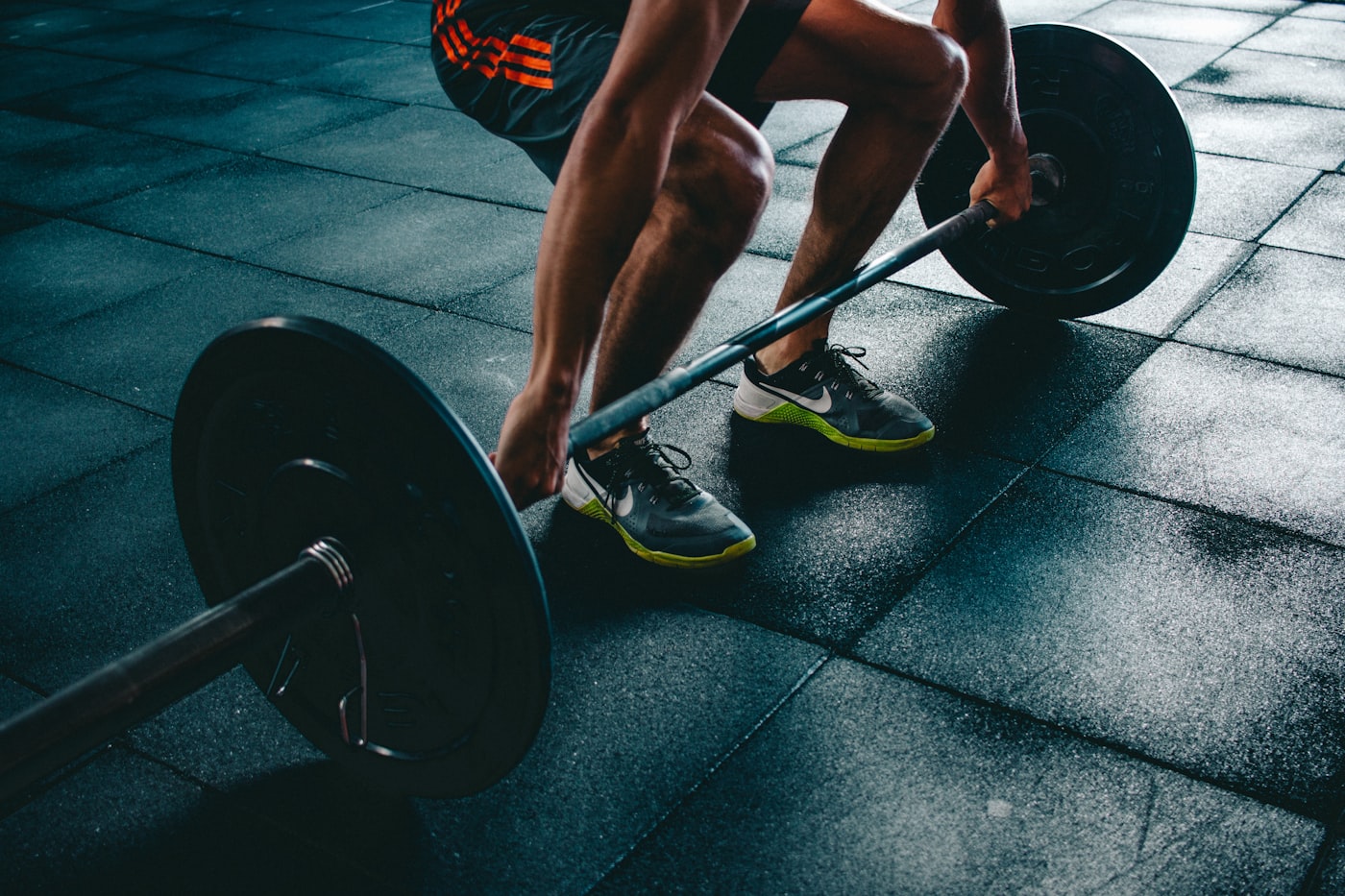
Exercise belongs here too. It is the most evidence-backed hormetic stressor most people will ever use. Training creates controlled stress in muscle, energy systems, connective tissue, and the cardiovascular system, and the body adapts by becoming stronger, fitter, and more resilient. That is one reason the Hormesis pillar sits downstream of Exercise rather than instead of it. Most of the benefits people seek from cold, heat, or fasting are already being delivered in part by good training.
Across all of these examples, the shared rule is simple: the response depends on the dose, the timing, and the state of the person receiving it. Hormesis is not a blank cheque for self-imposed stress. It is a framework for using challenge intelligently.