
Going Deeper
“The aim is less automatic reactivity, more awareness, and a nervous system that has more practice shifting out of constant activation.”
Different meditation formats suit different people, and that flexibility is part of why this pillar is so usable. Breath-focused practice gives the mind a clear anchor and works well for beginners who want something simple and repeatable. Guided sessions can lower the barrier further by providing structure, pacing, and reassurance when silence feels too open-ended.
Open-monitoring practice is slightly different. Instead of returning to one object again and again, the emphasis is on noticing thoughts, sensations, and emotions without being pulled along by them. That can be especially useful for people who want to recognise stress patterns earlier rather than only after they have already taken over the day. Walking meditation is another useful option for people who find stillness too abrupt or who think more clearly in motion.
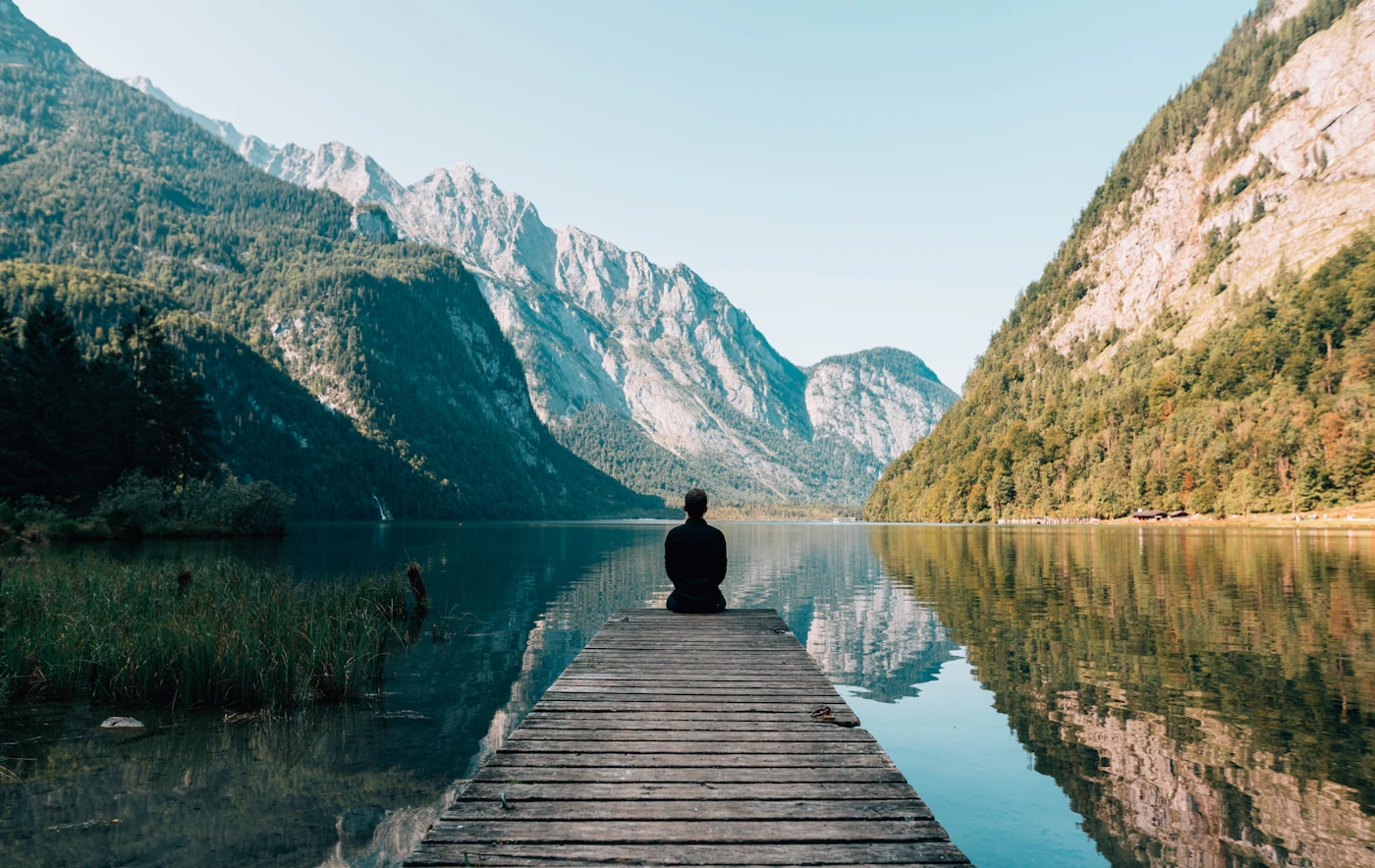
The most common obstacles are also worth understanding. People often assume they are doing meditation badly because the mind feels noisy, or they make the practice too ambitious and create unnecessary friction. Going deeper means seeing these patterns clearly, choosing formats that match the person, and remembering that the aim is less automatic reactivity, more awareness, and a nervous system that has more practice shifting out of constant activation.